(4)_1920.png "Laser Level Maintenance: Extend Lifespan and Ensure Accuracy")
All tools require proper care and routine maintenance for them to work correctly, and laser levels are no different. They are precision instruments and will give many years of service if cared for properly and serviced regularly. Here are some points to remember to extend your laser level's life and accuracy.
Proper storage
- Your instrument should always be stored and transported in its specially designed carrying case, which, in turn, should never be used as a temporary tool kit.
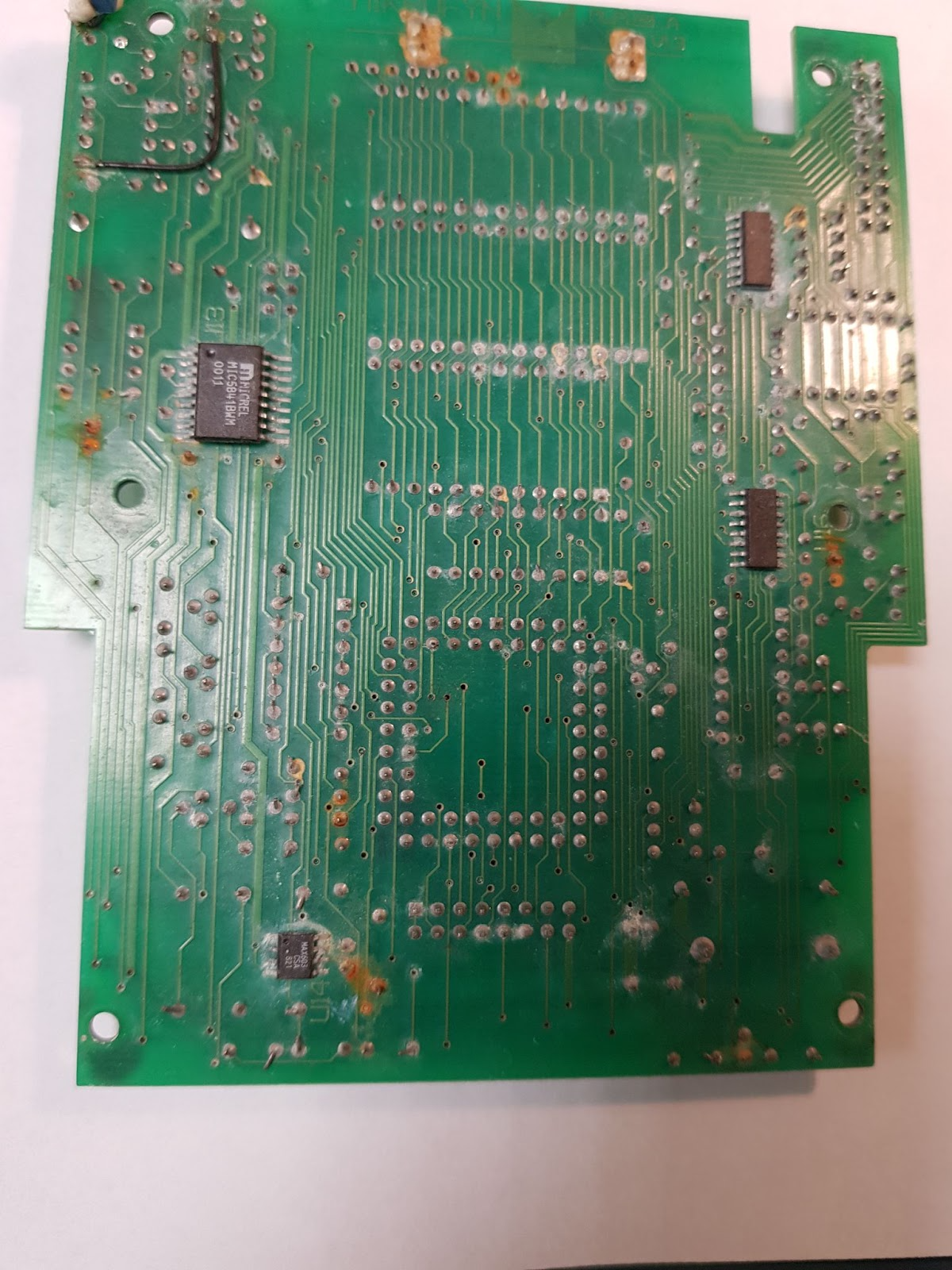
- Moist instruments should be wiped dry before being put away. Damage caused by condensation is one of the biggest problems we encounter in our service department. A wet or damp instrument should never be stored in this condition. See the below picture for damage to the main PCB board due to the device being stored while still wet.
Cleaning
- lf the instrument is equipped with any kind of optical glass on the outside, these windows must be treated with care. When cleaning the glass, remember to always rinse it first with clean water and then dry it with a soft, clean cloth. Never use anything abrasive to clean the glass. If the glass surface gets scratched, the scratches may distort the laser beam and lead to incorrect readings.
- Never clean with pressurized air, since dust particles in the air can lead to a "sand blasting" effect
- lt is essential to keep plugs and clamps for electrical connections dry and clean as well.
Batteries and charging
- Aways use a fully charged battery or power adapter. Charge the battery when the laser is not in use. If you notice that the battery is overheating during the charging process, you unplug it. Give it time to cool (20 minutes or so should be enough) and then plug it back in. Non-rechargeable batteries should be disposed of immediately after they deteriorate.
- You should never carry a laser instrument by its cable, and a laser instrument should never be connected to a car battery that is still connected to a car.
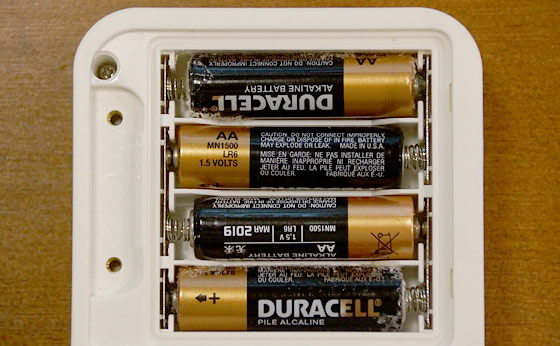
- When your instrument is not in use we recommend that you store it with the batteries removed from the instrument and accessories e.g. detector and remote control. If the batteries leak when the instrument is not in use for a prolonged amount of time they can cause a lot of unnecessary damage
Final thoughts
By following these few easy steps you can ensure longevity and accuracy of your instrument. Proper maintenance along with regular calibration will help you keep your instrument in good working condition. Take care when handling your laser and don’t skip yearly maintenance, so you can avoid any problems when tackling projects that require precision.
---
Need your laser calibrated? Get in touch with our Service Shop today!
 (1)_1920.png "Efficiently Resolving Power On/Off Issues in Nedo Laser Model LINUS1 HV")