You have no items in your shopping cart.
RSS

Blog posts tagged with 'expert tips'

Maintaining Your Dolly: A Practical Guide
f you use a Matterport Pro3 LiDAR Camera, a tripod dolly is essential. This small piece of gear drastically speeds up your workflow, saves your back from hauling over 5 kg of kit, and provides crucial stability when scanning on challenging surfaces like mesh floors. However, even the toughest dollies have a weakness: the wheels. Over time, the bolts holding the wheels can vibrate loose, risking a wheel dropping off mid-scan. This article provides a simple, step-by-step maintenance guide using thread lock to secure the bolts, ensuring your dolly stays solid and reliable so you can focus on capturing great 3D models without interruption.
How to Optimise Your Use of Surveying Equipment: Best Practices for Greater Efficiency and Results

Surveying equipment is crucial for accurate measurements and data collection in construction, land surveying, and various engineering fields. At Hitechniques, we understand the importance of precision and reliability in these instruments, which is why we offer top-quality products from renowned brands like GeoMax, Fotric, and LaserLiner. This article aims to guide you through best practices for optimising your use of surveying equipment to enhance efficiency and accuracy in your projects.


Understanding Your Surveying Equipment


Surveying equipment encompasses a variety of tools designed for specific tasks. Key types include:

  • Total Stations: Combining electronic distance measurement and angle measurement, Total Stations like those from GeoMax offer precise data collection for construction and engineering projects. These devices allow for detailed topographic surveys and layout works, critical for the precise placement of structures.
  • GPS/GNSS Receivers: These devices use satellite signals to determine exact locations. GeoMax’s GNSS receivers provide high accuracy essential for surveying and mapping. RTK (Real-Time Kinematic) GNSS receivers can deliver centimetre-level precision, making them indispensable for boundary surveys and high-precision applications.
  • Theodolites: Used for measuring horizontal and vertical angles, theodolites are vital for site layout and building construction. They are essential for tasks requiring angle measurements, such as laying out roads, pipelines, and buildings.
  • Lasers and Levels: Laser levels from Leica and LaserLiner ensure accurate alignment and levelling, essential for various construction applications. For instance, rotary lasers can project level lines around a room, making them perfect for installing ceilings, floors, and cabinetry.
  • Data Loggers: These devices record and store measurements taken by other surveying equipment, facilitating efficient data management. They can be integrated with other surveying tools to automate data collection processes and reduce the chances of manual errors.

Understanding the features and functionalities of these tools is fundamental. For instance, Total Stations offer integrated data management capabilities, while GPS receivers from GeoMax feature real-time kinematic (RTK) technology for enhanced precision. Laser levels provide different beam visibility options, such as high-visibility green lasers for outdoor use.


Proper Training and Knowledge


Proper training is essential for effective use of surveying equipment. At Hitechniques, we offer comprehensive Matterport 3D Capture Training. This training helps you understand how to create accurate 3D models of sites, which can be invaluable for planning and verification purposes.

Continuous learning is crucial. Regularly updating your knowledge through user manuals, data sheets, and online resources ensures you stay current with technological advancements. Hitechniques provides access to a wide range of resources, including instructional videos, user guides, and technical support.

Regular Maintenance and Calibration


Maintaining your surveying equipment is vital for accuracy and longevity. Establishing a routine for daily, weekly, and monthly maintenance tasks can prevent common issues. Here are some guidelines:

  • Daily maintenance: Clean the equipment after each use, check batteries, and inspect for any visible damage or condensation. Ensure that all moving parts are free from debris and that lenses and sensors are clean. If the instrument is wet, dry it thoroughly before storing.
  • Weekly maintenance: Perform a more thorough cleaning, test all functionalities, and ensure firmware is up to date. Check calibration settings and run diagnostic tests to identify any potential issues.
  • Monthly maintenance: Conduct detailed inspections, including checking calibration settings and verifying accuracy against known standards. Lubricate moving parts if necessary and inspect electrical connections for wear and tear.

Calibration is equally important. Regular calibration ensures your equipment provides accurate measurements. At Hitechniques, we offer comprehensive calibration services for various instruments, including laser levels and GPS receivers. Our team provides expert calibration, ensuring your equipment meets industry standards and performs optimally. Neglecting calibration can lead to significant errors in data collection, affecting the quality and reliability of your survey results.


Accurate Data Collection Techniques


Accurate data collection is the cornerstone of successful surveying. Implementing best practices ensures the reliability of your measurements:

  • Proper setup: Ensure your equipment is correctly set up and levelled. This includes calibrating your instruments and verifying their settings before use. Misalignment can lead to significant errors in your data.
  • Environmental considerations: Be mindful of environmental factors such as weather conditions, which can affect measurements. Use appropriate accessories like tripods and stabilisers to minimise errors caused by environmental variables. For example, wind can cause vibrations that affect laser measurements, so using wind shields or choosing calmer times of day for certain tasks can improve accuracy.
  • Systematic approach: Follow a systematic approach to data collection, ensuring consistency and accuracy. This includes methodically covering the survey area and double-checking measurements. For instance, taking multiple measurements and averaging them can reduce random errors.
  • Use of technology: Employ technology such as data loggers and field computers to automate data collection and reduce human error. These tools can also integrate with software solutions for real-time data analysis and visualisation, enhancing decision-making on-site.

Avoid common mistakes such as neglecting calibration, misinterpreting data, and failing to account for environmental conditions. By adhering to best practices and using quality equipment from Hitechniques, you can minimise errors and enhance the precision of your data collection efforts.


Efficient Data Management and Processing


Efficient data management and processing are crucial for maximising the value of your survey data. Utilise data management systems to organise and store your measurements effectively. Software tools available at Hitechniques integrate seamlessly with your equipment, allowing for streamlined data processing and analysis.

  • Data management systems: Use software such as GeoMax X-PAD to manage and process survey data. This software allows you to import data from various instruments, perform calculations, and generate reports. It also supports cloud storage, ensuring your data is accessible and secure.
  • Integration with other systems: Check how to integrate your survey data with BIM (Building Information Modelling) and other systems for enhanced project efficiency. This integration enables better visualisation, coordination, and decision-making, ensuring your projects stay on track and within budget. For example, survey data can be used to create accurate 3D models in BIM software, facilitating better planning and collaboration among project stakeholders.

Proper data management ensures that your data is accurate, accessible, and usable when needed. It also helps in maintaining data integrity and preventing data loss, which is critical for long-term project success.


Advanced Techniques and Technologies


Staying abreast of emerging technologies and advanced techniques can significantly enhance your surveying practices. Some of the latest advancements include:

  • 3D Capture Solutions: Matterport’s 3D capture technology offers detailed visual documentation, useful for site inspections and project planning. This technology allows you to create accurate 3D models of interiors and exteriors, providing a comprehensive view of the project site. These models can be shared with clients and stakeholders, improving communication and collaboration.
  • Machine Control Systems: Integrating machine control systems with your surveying equipment improves accuracy and efficiency in construction projects. Unicontrol3D offers advanced solutions that streamline workflows and enhance productivity. Machine control systems automate the movement of construction machinery based on precise data, reducing the need for manual adjustments and increasing operational efficiency.
  • RTK Technology: Real-time kinematic (RTK) technology in GPS receivers provides high-precision positioning, essential for tasks requiring exact measurements. RTK systems use corrections from a base station to improve the accuracy of GPS measurements, making them suitable for high-precision applications such as land surveying, construction staking, and agricultural mapping.

Hitechniques offers a range of innovative products incorporating these technologies. By adopting these advanced tools and techniques, you can stay competitive and achieve superior results in your surveying projects.


Fieldwork Best Practices


Effective fieldwork requires meticulous preparation and execution. Here are some best practices to enhance on-site efficiency:

  • Preparation and planning: Conduct a thorough site assessment and ensure you have all necessary equipment and accessories. Check weather forecasts and plan your work accordingly. Having a clear plan reduces downtime and improves productivity.
  • On-site efficiency: Use efficient workflows and leverage tools like LaserLiner distance metres and GeoMax locators for quick and accurate measurements. Ensure all team members are familiar with the equipment and their roles. This coordination helps avoid mistakes and ensures smooth operations.
  • Safety considerations: Prioritise safety by wearing appropriate protective gear and following safety protocols. Ensure your equipment is securely set up and handled with care. Regularly inspect the site for potential hazards and take necessary precautions to protect both personnel and equipment.

By following these best practices, you can optimise your fieldwork, ensuring accuracy and efficiency while maintaining a safe working environment.


Maximising Equipment Lifespan


Proper storage and handling are essential for maximising the lifespan of your surveying equipment. Here are some guidelines:

  • Proper storage: Store your equipment in a clean, dry place, away from extreme temperatures and humidity. Use protective cases to prevent physical damage. Keeping your equipment in a climate-controlled environment helps avoid issues caused by moisture and temperature fluctuations.
  • Handling tips: Handle your equipment with care, avoiding rough handling and impacts. Regularly inspect for signs of wear and tear, and address any issues promptly to prevent further damage. Ensure that moving parts are properly lubricated and that electrical connections are clean and secure.

By adhering to these guidelines, you can extend the life of your equipment, ensuring it continues to perform accurately and reliably for years to come. Regularly servicing your equipment at our Service Shop also ensures that it remains in top working condition, reducing downtime and maintenance costs.


Conclusion: Optimising Surveying Equipment


Optimising your use of surveying equipment involves a comprehensive understanding of the tools, proper training, regular maintenance and calibration, accurate data collection, efficient data management, and staying updated with advanced technologies. Implementing these best practices enhances efficiency and accuracy, leading to successful project outcomes.

Hitechniques is dedicated to providing top-quality surveying equipment and support services to help you achieve these goals. Our extensive range of products from leading brands, coupled with our expert training and service offerings, ensures you have everything you need to optimise your surveying practices.

We invite you to explore our range of products and training courses to further enhance your capabilities. Whether you are looking for advanced Total Stations, precise GPS/GNSS receivers, or innovative 3D capture solutions, Hitechniques has the expertise and equipment to support your needs.

---

For more information, visit our website, read our blog, or contact our team today. We are here to assist you with any questions and provide the necessary resources to ensure your surveying equipment operates at peak performance.

Smart Investments in Surveying Equipment: Maximise Your Year-End Tax Benefits

As we approach the end of another year, it's crucial for businesses, especially in the construction and surveying sectors, to reflect on strategic investments that not only enhance operational efficiency but also provide significant financial benefits. One often overlooked aspect of this strategic planning is the potential tax savings that can be realised through smart investments in equipment. At Hitechniques, we understand the importance of maximising your investments for both business growth and tax efficiency.

In Ireland, tax laws offer several incentives for businesses investing in equipment, making it a financially savvy move to upgrade or acquire new surveying tools before the year's end. These incentives are designed not only to encourage business growth and technological advancement but also to provide substantial tax relief. As experts in the field, we at Hitechniques are committed to guiding our clients through the myriad of options available, ensuring that your investment in surveying equipment is both operationally beneficial and tax-efficient.

Our range of surveying equipment, known for its precision and reliability, is not just a business expense but an investment in your company's future. By understanding and utilising the capital allowances and deductions available under Irish tax law, your business can enjoy significant tax savings. This strategic approach to equipment investment is not just about enhancing your operational capabilities; it's also about making informed financial decisions that positively impact your bottom line.

In the following sections, we will delve deeper into the specifics of Irish tax law regarding equipment investment, highlight the types of equipment that qualify for tax deductions, and share insights on how to navigate the tax deduction process. Our goal is to provide you with the knowledge and tools necessary to make the most out of your year-end investments, turning a necessary business expense into a smart financial strategy.

Stay tuned as we explore the financial benefits of investing in surveying equipment and how Hitechniques can be your partner in maximising your year-end tax benefits.


Understanding Irish Tax Law on Equipment Investment

Navigating the complexities of tax law can be daunting, but understanding its implications is crucial for making informed business decisions. In Ireland, the tax code offers specific provisions that can significantly benefit companies investing in equipment, such as the surveying tools and technology we provide at Hitechniques. These provisions are designed to encourage businesses to invest in their growth while offering tangible tax relief.


Capital Allowances and Deductions: A Brief Overview

Under Irish tax law, capital allowances are available for the wear and tear of tangible fixed assets used in your business, including surveying equipment. This allowance essentially lets businesses write off the cost of these assets against their taxable profits over a period of time. For surveying equipment, this means that the cost of purchasing new or upgrading existing equipment can be deducted from your company's taxable income, reducing your overall tax liability.

The rate and method of these allowances can vary depending on the type of asset. For most plant and machinery, which typically includes surveying equipment, the wear and tear allowance is generally calculated at a rate of 12.5% per annum on a straight-line basis over eight years. This steady deduction rate allows for a predictable and beneficial tax relief schedule for businesses.


Qualifying for Tax Deductions

To qualify for these deductions, the equipment must be used for business purposes. It's important to maintain clear records and invoices to substantiate your claim. At Hitechniques, we ensure that all equipment we supply is accompanied by detailed documentation that fulfils tax requirements, making the process smoother for your business.

Investing in surveying equipment not only enhances your operational capacity but also aligns with the government's incentives to modernise and improve business infrastructure. By understanding and leveraging these tax provisions, businesses can make substantial savings, turning a necessary expenditure into a strategic financial decision.


The Financial Benefits of Investing in Surveying Equipment

At Hitechniques, we believe that an investment in quality surveying equipment is not just an operational decision but a strategic financial manoeuvre. Understanding the financial benefits of such investments under Irish tax law can significantly impact your business's bottom line.


Tax Savings through Capital Allowances

When you invest in surveying equipment, you're not only acquiring assets that enhance your operational capabilities but also creating an opportunity for tax savings. The capital allowances on these investments allow your business to deduct the cost of the equipment from your taxable profits. This deduction is spread over several years, providing a sustained financial benefit.

For example, if your business purchases surveying equipment worth €10,000, under the current tax law, you can claim a wear and tear allowance of 12.5% per annum. This means you can deduct €1,250 from your taxable profits each year for eight years, resulting in a total deduction of €10,000. This deduction effectively reduces your company's tax liability, providing a tangible return on your investment.


Enhanced Cash Flow

By reducing your tax liability, these deductions can free up cash that can be reinvested into your business, used to pay down debt, or enhance your operational capacity. This improved cash flow is particularly beneficial for small and medium-sized enterprises (SMEs) that are looking to grow and expand their capabilities.


Investing in the Future

The benefits of investing in surveying equipment extend beyond immediate tax savings. High-quality equipment like that offered by Hitechniques can lead to improved efficiency, accuracy, and productivity in your operations. These improvements can translate into long-term financial gains, making the investment in surveying equipment a wise decision for the future of your business.


Real-World Applications and Case Studies

At Hitechniques, we've had the privilege of partnering with a diverse range of businesses across Ireland, each with their unique success stories stemming from strategic investments in surveying equipment. These real-world examples not only illustrate the practical benefits of our equipment but also showcase the tangible tax advantages realised through such investments.


Case Study 1: Enhancing Efficiency and Reducing Tax Liability

One of our clients, a mid-sized construction firm, recently invested in advanced laser scanning equipment to enhance their surveying capabilities. This investment, totaling €15,000, not only streamlined their operations but also qualified for capital allowances under Irish tax law. Over the eight-year allowance period, this firm is set to deduct a total of €15,000 from their taxable profits, significantly reducing their tax liability. The immediate operational benefits, coupled with the long-term tax savings, have positioned this firm for sustained growth and profitability.


Case Study 2: Small Business, Big Savings

Another inspiring example comes from a small architectural consultancy that decided to upgrade their surveying tools with our latest GPS mapping technology. The investment, while substantial for a small business, was mitigated by the tax relief afforded through capital allowances. This strategic decision not only brought them up to speed with the latest in surveying technology but also provided a much-needed financial cushion through tax savings, enhancing their competitive edge in a crowded market.


The Broader Impact

These case studies are just a snapshot of how strategic investments in surveying equipment can yield significant benefits. Beyond the individual success stories, these investments contribute to the broader economy by fostering technological advancement and operational efficiency in the construction and surveying sectors.


Eligibility and Qualifying Expenditure

Understanding the criteria for tax deductions on equipment investment is crucial for maximising the financial benefits of your purchases. At Hitechniques, we not only supply top-tier surveying equipment but also ensure our clients are well-informed about the eligibility requirements under Irish tax law. This knowledge is key to making the most of your investment.


What Qualifies for Tax Deductions?

Under Irish tax law, capital allowances are available for the wear and tear of tangible fixed assets used in your business. This includes a wide range of surveying equipment, such as GPS devices, laser scanners, and other precision measurement tools. To qualify for these deductions, the equipment must be:

  • Purchased for Business Use: The equipment must be used for the purposes of your business. Personal or non-business-related use is not eligible for tax deductions.
  • Owned by the Business: The allowances apply to equipment that your business owns. Leased or rented equipment typically does not qualify.
  • Operational at the End of the Tax Year: To claim the allowance for a given year, the equipment must be operational and in use by the end of that tax year.

Maintaining Proper Documentation

Proper documentation is essential for claiming capital allowances. This includes invoices, proof of payment, and records showing the use of the equipment in your business operations. At Hitechniques, we provide comprehensive documentation with every purchase, ensuring that our clients have the necessary paperwork for their tax records.


Navigating the Claims Process

The process of claiming these allowances involves detailing the expenditure in your tax returns. It's advisable to work with a tax professional to ensure that your claims are accurately filed and in compliance with the latest tax regulations.


Navigating the Tax Deduction Process

Investing in surveying equipment from Hitechniques not only enhances your operational capabilities but also offers significant tax advantages. To ensure you fully benefit from these tax deductions, it's important to understand and navigate the claim process effectively. Here's a step-by-step guide to help you through this crucial phase.


Step 1: Record Keeping

The first step is meticulous record-keeping. Ensure you retain all purchase invoices and receipts related to your surveying equipment. These documents should clearly state the purchase date, the amount paid, and a description of the equipment. Hitechniques provides detailed invoices for all purchases, which are essential for your tax records.


Step 2: Calculating Capital Allowances

Calculate the capital allowances for your equipment. As mentioned earlier, for most surveying equipment, this is typically 12.5% of the purchase cost per annum over eight years. This calculation will determine the amount you can deduct from your taxable profits each year.


Step 3: Filing Your Tax Return

Include the calculated capital allowances in your tax return. This process involves detailing the equipment purchased, its cost, and the calculated allowance for the year. It's advisable to consult with a tax professional to ensure accuracy and compliance with current tax laws.


Step 4: Dealing with Adjustments

If there are any adjustments, such as the sale or disposal of equipment within the allowance period, these need to be accounted for in your tax return. Adjustments might affect the capital allowances you can claim in the year of sale or disposal.


Step 5: Staying Informed on Changes

Tax laws and rates can change, so it's important to stay informed about any updates that might affect your claims. Hitechniques endeavours to keep our clients updated on significant tax-related changes that could impact their equipment investments.


Important Deadlines

Be mindful of tax filing deadlines to ensure your claims are submitted on time. Late submissions can lead to penalties or missed opportunities for tax deductions.

By following these steps, you can effectively navigate the tax deduction process for your surveying equipment investments.


Potential Risks and Considerations

While investing in surveying equipment offers significant tax and operational benefits, it's important to approach this decision with a comprehensive understanding of potential risks and strategic considerations. At Hitechniques, we believe in empowering our clients with all the information necessary to make informed decisions. Here are some key factors to consider:


1. Assessing Financial Impact

Before investing, assess the financial impact on your business. While tax deductions can offset some of the costs, it's crucial to ensure that the investment aligns with your business's cash flow and financial planning. Consider the upfront costs versus the long-term tax and operational benefits.


2. Understanding Tax Law Nuances

Tax laws can be complex and subject to change. It's essential to have a current understanding of the tax implications of your investment. Working with a tax professional can provide clarity and help you navigate these complexities.


3. Evaluating Equipment Needs

Invest in equipment that genuinely enhances your operational efficiency and meets your business needs. Avoid the temptation to invest in equipment solely for tax benefits. The primary goal should be to improve your business operations with the added benefit of tax savings.


4. Considering Technological Advancements

The surveying industry is continuously evolving with technological advancements. Invest in equipment that not only serves your current needs but also has longevity and adaptability for future developments.


5. Planning for Depreciation

Understand that equipment depreciates over time. This depreciation is not just a financial concept but also relates to the technological relevance and efficiency of the equipment. Plan for future upgrades or replacements as part of your long-term business strategy.


6. Risk of Overinvestment

Be cautious of overinvesting in equipment. It's important to balance the desire for the latest technology with practical business sense. Overinvestment can lead to unnecessary financial strain.


7. Resale Value Considerations

Consider the resale value of the equipment. Some surveying equipment may have a significant resale value, which can be factored into your overall investment strategy.

By carefully considering these factors, you can make more strategic decisions regarding equipment investment.


Updates in Tax Legislation and Its Impact

Staying abreast of changes in tax legislation is crucial for businesses looking to invest in surveying equipment. These changes can significantly impact the financial aspects of such investments. At Hitechniques, we understand the importance of keeping our clients informed about relevant tax updates that could affect their investment decisions. Here’s a summary of recent changes and their potential impact:


1. Recent Changes in Tax Legislation

Tax laws are subject to amendments, which can include changes in rates, allowances, and eligibility criteria for capital allowances. For instance, recent updates might adjust the percentage of wear and tear allowances or alter the types of equipment that qualify for these deductions. It's essential to be aware of these changes to maximise your tax benefits.


2. Impact on Capital Allowances

Any changes in tax legislation can directly affect the capital allowances you can claim on surveying equipment. This could mean alterations in the deduction rate or the period over which these allowances can be claimed. Understanding these changes is key to accurate financial planning and tax filing.


3. Enhanced Capital Allowances for Energy-Efficient Equipment

Some recent updates have focused on providing enhanced capital allowances for energy-efficient equipment. This is part of a broader initiative to encourage businesses to invest in environmentally friendly technologies. Surveying equipment that meets certain energy efficiency criteria might qualify for these enhanced allowances, offering additional tax benefits.


4. Implications for Business Planning

Changes in tax legislation should be factored into your business planning and investment strategies. They can influence the timing of your equipment purchases and the types of equipment you choose to invest in.


5. Seeking Professional Advice

Given the complexities and frequent updates in tax legislation, we recommend consulting with tax professionals who specialise in corporate tax law. They can provide tailored advice and ensure that your investment decisions are both compliant and financially sound.


Conclusion: Maximise Your Year-End Tax Benefits

As we wrap up our discussion on the strategic importance of investing in surveying equipment for tax benefits, it's clear that such investments can offer significant advantages for businesses in Ireland. At Hitechniques, we are committed to not only providing top-quality surveying equipment but also ensuring that our clients are well-equipped with the knowledge to make these investments work to their financial advantage.


Key Takeaways:

  • Capital Allowances Offer Substantial Tax Benefits: Investing in surveying equipment can lead to considerable tax savings through capital allowances, reducing your taxable income and enhancing your business's financial health.
  • Strategic Investment is Crucial: It's important to approach equipment investment strategically, considering both the operational benefits and the tax implications. The right investment can significantly improve your business's efficiency and productivity while offering financial returns.
  • Stay Informed and Consult Professionals: Tax laws are complex and subject to change. Staying informed about these changes and seeking advice from tax professionals can ensure that your investment decisions are sound and beneficial.
  • Hitechniques is Your Partner: We are more than just a supplier; we are a partner in your business's growth and success. Our expertise in surveying equipment, coupled with our commitment to keeping our clients informed about tax-related matters, makes us an invaluable resource for your business.

As the year draws to a close, it's the perfect time to review your business's equipment needs and consider how an investment in surveying equipment can not only enhance your operational capabilities but also provide significant tax advantages. We at Hitechniques are here to guide you through this process, ensuring that your investment is both a smart operational decision and a wise financial strategy.


Contact Us for Expert Guidance

For more information about our range of surveying equipment and how we can assist you in maximising your year-end tax benefits, please contact us. Our team of experts is ready to provide personalised consultations and solutions tailored to your business needs.

Thank you for considering Hitechniques as your trusted partner in surveying equipment and tax-efficient investment strategies. We look forward to supporting your business's growth and success.


Further Reading

For those interested in delving deeper into the topics of surveying technology and tax benefits in Ireland, here are some valuable resources for further reading.

  • Revenue.ie - Capital Allowances and Deductions: This official resource from the Irish Tax and Customs provides comprehensive information on capital allowances and deductions, including updates on tax laws and eligibility criteria. Revenue.ie Capital Allowances
  • Irish Tax Institute: A great resource for in-depth articles, research papers, and updates on Irish tax legislation, ideal for businesses looking to stay informed about the latest tax-related news. Irish Tax Institute
  • Construction Industry Federation (CIF): The CIF provides resources and updates relevant to the construction industry, including the impact of tax laws on equipment investment. Construction Industry Federation
The Benefits of Investing in Quality Surveying Equipment: Long-Term ROI and Increased Productivity

Surveying is a critical profession that shapes our world in more ways than one. From determining land boundaries for real estate development and construction to aiding in the creation of maps and satellite navigation systems, surveying plays an integral part in many areas of our everyday lives. This work requires precision, accuracy, and efficiency, all of which rely heavily on the equipment used by the surveyors.

The tools and equipment a surveyor uses can range from simple measuring tapes and theodolites to complex laser scanners and drones, GPS systems and sophisticated software. Regardless of the complexity of the tool, the common factor that determines the success of a surveying project is the quality of the equipment used. Without quality equipment, even the most skilled surveyor can face numerous challenges that can compromise the integrity of their work.

The following article delves into why investing in quality surveying equipment yields significant benefits. While the initial cost may be higher, the return on investment (ROI) over the long term and the resulting increase in productivity are compelling reasons to prioritise quality when procuring surveying equipment. In the subsequent sections, we’ll look into the importance of quality equipment, the productivity and financial advantages it offers and how to overcome the challenges often associated with investing in top-tier tools.


Understanding the Importance of Quality Surveying Equipment

To appreciate the benefits of investing in quality surveying equipment, one must first understand the role of this equipment in surveying operations and how it influences the final results.

Surveying equipment includes a variety of tools and technologies designed to measure and map the physical and environmental features of the earth. This can range from traditional tools like compasses, chains, and levelling instruments to modern equipment like total stations, GPS receivers, laser scanners and advanced surveying software. Each piece of equipment serves a specific purpose and contributes to the accuracy and precision of the survey results.

The distinction between standard and high-quality equipment often lies in factors like accuracy, precision, durability and the inclusion of advanced features. For instance, a standard theodolite might provide adequate measurement capabilities for basic surveying tasks. However, a high-quality, modern theodolite or total station would offer superior accuracy, better precision, enhanced durability and additional features like electronic distance measurement and computer integration. These elements can make a substantial difference in the outcome of a survey.

The quality of surveying equipment directly influences the reliability and validity of the survey results. Inferior equipment can introduce errors or inaccuracies in measurements, leading to flawed results that can negatively impact projects. These errors can be costly to correct, leading to project delays, increased costs, and potential legal issues, particularly in fields like construction, land development and boundary delineation.

In contrast, high-quality equipment tends to deliver more accurate and reliable results, reducing the risk of errors and the associated costs. Furthermore, quality equipment often comes with better durability and longevity, meaning it's less likely to fail or require frequent repairs, contributing to more efficient operations and cost savings in the long term.

Understanding this difference and the impact of equipment quality on surveying results is the first step towards appreciating the benefits of investing in high-quality surveying equipment.


The Advantages of Quality Surveying Equipment

Investing in quality surveying equipment presents numerous advantages that can significantly enhance the effectiveness, efficiency and safety of surveying operations.


Increased Accuracy and Precision in Measurements

High-quality surveying equipment is typically designed with advanced technologies that offer superior accuracy and precision. These tools ensure that the data collected is reliable and accurate to the smallest detail, minimising the potential for errors that could negatively impact a project.


Enhanced Durability and Longevity of Equipment

Quality surveying equipment is often made from durable materials and designed to withstand the rigours of fieldwork, reducing the risk of equipment failure or damage. This durability translates to a longer lifespan for the equipment, meaning it can serve your operations for an extended period without needing replacement.


Advanced Features and Capabilities

Modern, high-quality surveying equipment often comes equipped with advanced features and capabilities that can make surveying work more efficient and accurate. This could include integrated software systems, digital imaging capabilities, automatic data recording, cloud data storage and much more. These features can simplify the surveying process, save time and improve the overall quality of your work.


Reduced Likelihood of Errors and Rework

As mentioned earlier, the use of quality equipment reduces the potential for measurement errors and inaccuracies. This can save a considerable amount of time and resources that would otherwise be spent correcting mistakes and redoing work.


Increased Safety on Job Sites

Finally, quality surveying equipment often incorporates safety features that protect the surveyors and the environment they work in. This could range from protective casing for equipment to prevent damage, to software safety measures that protect data.

By ensuring accuracy, enhancing durability, providing advanced features, reducing the potential for errors, and increasing safety, quality equipment contributes to a more effective and efficient surveying operation.


The Link Between Quality Equipment and Increased Productivity

Quality surveying equipment can drastically improve productivity in surveying operations. The direct correlation between the use of high-grade tools and increased efficiency manifests itself in several ways.


Reduction in Time Spent on Individual Surveys due to Superior Efficiency

Advanced features in quality surveying equipment like automated measurements, digital readings, integrated software systems and more, can significantly reduce the time required to conduct surveys. These tools can automate many tasks that would otherwise require manual effort, resulting in quicker surveys and allowing surveyors to undertake more projects in the same time frame.


Decreased Equipment Downtime Resulting from Breakdowns and Repairs

High-quality surveying equipment, built with durability and longevity in mind, tends to be more resistant to wear and tear. As a result, there are fewer instances of equipment breakdowns and malfunctions, meaning less time spent on repairs and maintenance. This decreased downtime increases overall productivity as surveyors can focus on their work without interruption.


Improved Job Satisfaction and Morale Among Surveyors, Leading to Better Work Output

Quality equipment often comes with user-friendly designs and features, making the surveying process smoother and less taxing physically and mentally. This improved user experience can lead to better job satisfaction among surveyors and happy employees are often more productive. Furthermore, when surveyors can trust their tools to perform accurately and reliably, it reduces stress and allows for more focused and efficient work.


Case Studies Showcasing Increased Productivity with High-Quality Equipment

There are numerous real-world examples that illustrate the positive correlation between quality surveying equipment and increased productivity. In one instance, a land surveying company invested in a high-quality GPS system to replace outdated manual methods. This investment led to a reduction in field time by almost 50%, increasing the company's capacity to take on more projects and significantly boosting their productivity. This is just one of many examples that highlight the potential productivity gains that can be achieved with quality equipment.

Investing in quality surveying equipment can lead to increased productivity in various ways. It allows for more efficient and reliable surveys, reduces downtime, improves job satisfaction and has been proven in numerous real-world scenarios to significantly enhance work output.


Quality Equipment as a Smart Long-Term Investment

Investing in quality surveying equipment is not just about immediate gains in productivity and performance, it's also about the potential for significant long-term financial returns. To understand why quality equipment is a smart investment, we must first delve into the concept of Return on Investment (ROI).


Analysis of the Upfront Costs Versus Long-Term Savings of Quality Equipment

While quality surveying equipment often comes with a higher upfront cost compared to standard equipment, it's important to weigh this against the potential long-term savings. High-quality equipment tends to be more durable, reducing the frequency of replacement and repair costs. Additionally, the enhanced productivity and accuracy of these tools can lead to fewer errors, less rework and a greater capacity for projects - all of which can result in substantial cost savings over time.


Projection of Long-Term ROI from Investing in Quality Equipment

Investing in quality surveying equipment can deliver a strong ROI in the long term. Given the potential for increased productivity, fewer errors, less rework, and reduced equipment replacement and repair costs, the financial returns can be significant. This is especially true for larger or busier surveying operations, where even small improvements in efficiency or reductions in error rates can translate into substantial financial gains.

The financial benefits of investing in quality surveying equipment are not just theoretical. Several case studies demonstrate the tangible returns that can be achieved. For instance, a surveying company that replaced their older, less reliable equipment with new, high-quality tools experienced a decrease in equipment maintenance costs and downtime, a 30% increase in productivity, and an improved error rate, leading to less rework and more satisfied clients. The result was a significant boost in profits, demonstrating a strong ROI from their investment in quality equipment.

Quality surveying equipment is a smart long-term investment that can deliver strong financial returns. By considering the total lifecycle costs and benefits, rather than just the initial purchase price, it becomes clear that the ROI of quality equipment can be significant, making it a wise financial decision for surveying businesses.


Overcoming Challenges in Investing in Quality Surveying Equipment

While the benefits of investing in quality surveying equipment are clear, the initial costs can present a significant hurdle for some businesses, especially smaller firms or those just starting. This section offers insights into overcoming these challenges.


Addressing Common Concerns About the Initial Costs

The most common concern when it comes to investing in quality surveying equipment is the high initial cost. While quality equipment tends to be more expensive upfront, it’s crucial to view this as a long-term investment. The benefits, from increased productivity to lower maintenance costs and the extended lifespan of the equipment, often outweigh the initial investment over time.


Strategies for Budgeting and Financing

Strategic budgeting and financing can make it easier to invest in quality equipment. This might include setting aside a certain amount of profits each month towards an equipment fund or looking into financing options. Many equipment manufacturers offer payment plans that can help spread out the cost over time. Additionally, some businesses may qualify for grants, low-interest loans, or other forms of financial assistance specifically designed to help firms invest in quality equipment.


Understanding the Value of Warranties and After-Sales Service

Finally, when considering the cost of quality surveying equipment, don’t overlook the value of warranties and after-sales service. Quality equipment manufacturers often provide comprehensive warranties that can save significant repair or replacement costs down the line. Likewise, reliable after-sales service can help ensure your equipment stays in top condition, prolonging its lifespan and maintaining its performance. This, in turn, can help maximise your ROI and make the investment more affordable in the long run.

While the initial costs of quality surveying equipment can be daunting, there are strategies to make it more affordable. By taking a long-term view, budgeting wisely, exploring financing options, and considering the value of warranties and after-sales service, businesses can overcome these challenges and make the investment work for them.


Conclusion

Investing in quality surveying equipment is a strategic decision that goes beyond the immediate need for precise measurements. It is a decision that weighs on the long-term success and productivity of any surveying operation. High-quality equipment enhances accuracy, reduces the likelihood of costly errors, increases the productivity of surveyors and ultimately offers a significant return on investment.

While the initial cost of high-quality equipment may be higher, it is important to consider the broader picture. The long-term savings from reduced maintenance costs, fewer errors and rework, and increased productivity, as well as the financial benefits gained from satisfied clients and increased capacity for projects, can significantly outweigh the upfront expenditure.

Furthermore, challenges associated with the initial investment, such as budget constraints and financial concerns, can be managed through strategic budgeting, financing options and an understanding of the value provided by warranties and after-sales service.

In essence, investing in quality surveying equipment is investing in the future success of your surveying operations. It lays the groundwork for enhanced productivity, improved financial returns and a reputation for precision and reliability. It is an investment that, for most surveyors, will pay dividends many times over in the years to come. Therefore, when it comes to procuring surveying equipment, it is essential to prioritise quality over initial costs and consider the long-term benefits that such an investment brings.

To start your journey toward increased productivity and better ROI with high-quality surveying equipment, explore the comprehensive range of innovative tools and technologies available at Hitechniques.


Further Reading

For those interested in further exploring the subject, the following resources provide deeper insights into the benefits of investing in quality surveying equipment and the role of this equipment in various surveying operations.

  • Surveying with Construction Applications offers a comprehensive look into the field of surveying, focusing on its applications in construction projects. The book delves into the details of modern surveying technology and techniques, their role in construction and the process of integrating these tools into various phases of a project. This includes layout, design, quality control and even environmental considerations.
  • Construction Quantity Surveying: A Practical Guide for the Contractor’s QS serves as a practical guide for contractors and quantity surveyors, focusing on the evolving roles, responsibilities and methodologies of modern quantity surveying. The book discusses how advanced technologies have revolutionised the construction industry, leading to improved efficiency, accuracy and profitability. It emphasises the importance of the quantity surveyor's role in procurement, cost management and contract administration.
  • Advanced Surveying: Total Station, GIS and Remote Sensing is a detailed examination of advanced surveying techniques, particularly the use of Total Station, Geographic Information Systems (GIS) and Remote Sensing in the construction industry. The book provides a comprehensive understanding of these technologies, their applications and their transformational impact on the surveying process. Readers gain a practical understanding of how these technologies are utilised in various aspects of construction.
  • Surveying with Construction Applications is a book that presents a blend of theoretical knowledge and practical skills in the field of surveying and its applications in construction. It emphasises the importance of accuracy, efficiency, and safety, showcasing how to leverage modern surveying equipment and software in real-world construction scenarios. This text serves as a valuable resource for students, professionals and anyone interested in gaining a robust understanding of surveying practices within the context of construction.
How to Choose the Right Surveying Equipment for Your Small Business: A Comprehensive Guide

Surveying is a fundamental process in various industries from construction to telecommunications, mining and environmental studies. It helps in understanding the terrestrial or three-dimensional space to plan, design and establish property boundaries. For small businesses operating in such sectors owning the right surveying equipment is crucial for providing accurate, efficient and reliable services.

This article aims to help small business owners in choosing the most suitable surveying equipment for their needs. It will explore the basics of surveying, the importance of surveying equipment for small businesses, different types of equipment available and factors to consider when making a purchase. Additionally, it will delve into the decision between renting versus buying equipment and the critical questions to ask vendors when acquiring surveying tools.

Whether you are starting a new business or looking to upgrade your current equipment, this comprehensive guide will provide valuable insights to help you make informed decisions ensuring that you invest wisely in surveying equipment that can enhance your business's productivity and profitability.


Understanding the Basics of Surveying

Surveying, in its most fundamental form, is the science of determining the three-dimensional positions of points and the distances and angles between them. These points are often on the surface of the Earth and they're typically used to establish maps and boundaries for ownership or governmental purposes.

Surveying plays a crucial role in numerous fields such as construction, where it aids in the design and layout of buildings, roads, bridges and other infrastructure. In real estate it helps define property boundaries and in archaeology it enables the precise measurement of archaeological sites.


Different Types of Surveying

There are several types of surveying, each designed for specific applications:

  1. Land Surveying: This is one of the most common types of surveying used to establish land boundaries and topography for construction, mapping or legal purposes.
  2. Engineering Surveying: This type is used before, during and after construction projects to ensure structures are built accurately according to architectural plans.
  3. Geodetic Surveying: This involves measuring large areas of the Earth's surface and requires advanced techniques and instruments to account for the Earth's curvature.
  4. Hydrographic Surveying: This involves surveying bodies of water to determine their depth, topography and other features, often used in marine navigation and construction.
  5. Mining Surveying: This is used to map underground and surface mines to ensure safe and efficient extraction of minerals.

Accuracy in surveying is paramount. Precise measurements are crucial for various applications from ensuring a building is constructed correctly to establishing accurate land boundaries to prevent legal disputes. The right surveying equipment plays a significant role in achieving such accuracy. A slight error in measurement can lead to significant issues down the line highlighting the importance of investing in quality surveying tools.


Importance of Surveying Equipment for Small Businesses

Surveying equipment can be a significant investment for a small business but the benefits it offers can be substantial. Accurate, reliable and efficient surveying is critical for a wide range of industries and the right equipment can make all the difference.


How the Right Surveying Equipment Can Help Small Businesses

  1. Accuracy: Quality surveying equipment can offer unparalleled accuracy reducing the risk of costly mistakes and rework. This is especially important for small businesses where margins can be tight and mistakes costly.
  2. Efficiency: Modern surveying equipment can make surveying tasks more efficient saving time and resources. For instance GPS systems can provide real-time data while laser scanners can quickly capture detailed measurements.
  3. Competitive Advantage: Owning state-of-the-art equipment can give your business a competitive edge. You can offer a wider range of services and deliver results faster and more accurately than competitors using outdated or lower-quality equipment.


Common Types of Surveying Equipment

The type of surveying equipment required can vary significantly depending on the specific needs of your business. Here, we will discuss some of the most commonly used tools in the industry and their applications.

  1. GPS/GNSS Systems: These systems use signals from satellites to determine precise locations on the Earth's surface. They are especially useful for land and topographic surveying offering high accuracy and real-time data.
  2. Theodolites: A theodolite is a precision instrument for measuring angles in the horizontal and vertical planes. They are commonly used in building and infrastructure construction to ensure accurate alignment.
  3. Total Stations: A total station combines the functions of a theodolite with an electronic distance measurement device. They can measure distances, angles and elevations, making them extremely versatile for a wide range of surveying applications.
  4. Levels: Levels are used to determine relative height and distance between points. They are crucial in construction and engineering surveys where accurate height measurement is required.
  5. Laser Scanners: Laser scanners, or LiDAR systems, use laser light to capture detailed three-dimensional data. They are used for topographic surveys, architectural surveys and even in archaeology for detailed site documentation.


What Each Type of Equipment is Used For

  1. GPS/GNSS Systems: Ideal for large scale land surveys, mapping and in any situation where high accuracy positioning is required.
  2. Theodolites: Used in construction and engineering projects to provide precise measurements and ensure structures are built to specification.
  3. Total Stations: Used across multiple industries from construction and engineering to archaeology for their versatility in capturing both distance and angular measurements.
  4. Levels: Essential in construction, especially for determining elevation and verifying that structures are level.
  5. Laser Scanners: Used extensively in topographic and as-built surveys, heritage preservation, mining and more due to their ability to quickly capture high-resolution 3D data.

Understanding the various types of surveying equipment and their applications can help you determine which tools are most suited to your business needs. Remember, the right equipment for your business will depend on the types of surveys you will be conducting and the level of precision required.


Determining Your Surveying Needs

Before you can choose the right surveying equipment you need to have a clear understanding of your specific needs. This will depend on the nature of your business, the types of projects you handle and the level of precision required.

Your equipment needs will depend on the type of surveying your business specialises in. For example, if you're in the construction industry you might need a total station for its ability to measure angles and distances accurately. On the other hand if your business focuses on large-scale land surveys a high-precision GPS system might be more appropriate.

To identify your specific needs consider the following questions:

  1. What types of surveys does your business typically conduct?
  2. What level of precision is required for these surveys?
  3. How often will you be using the equipment?
  4. Will you be surveying in difficult weather conditions or challenging terrains that might require rugged equipment?
  5. Do you need equipment that can integrate with other tools or software you currently use?

The scope and complexity of your projects can also influence the type of equipment you need. For large complex projects you may need advanced equipment that can handle a wide range of surveying tasks. Smaller simpler projects may only require basic tools. Therefore it's essential to consider both your current and potential future project needs when selecting surveying equipment.

Remember, investing in the right surveying equipment is not just about meeting your current needs. It's also about preparing for future growth and opportunities. By carefully assessing your needs and considering the scope and complexity of your projects you can make a more informed decision and choose equipment that will serve your business well both now and in the future.


Factors to Consider When Choosing Surveying Equipment

Once you've identified your specific needs there are several other factors to consider when choosing the right surveying equipment for your business. These can help ensure that you make a wise investment that will benefit your business in the long run.


Budget Considerations

The cost of surveying equipment can vary widely, from a few hundred to several thousand dollars. Consider how much you're willing and able to invest and remember that while higher-priced equipment often offers more features and greater accuracy it may not always be necessary for your specific needs.


Equipment Reliability and Durability

Surveying can be a demanding job, often conducted outdoors in various weather conditions. Therefore, it's important to choose equipment that is durable and reliable. Look for equipment that is weather-resistant and has a good track record of performance in your industry.


Accuracy of the Equipment

Accuracy is paramount in surveying. The level of precision you need will depend on your specific surveying tasks. Be sure to choose equipment that meets or exceeds the level of accuracy required for your projects.


Ease of Use and Training Requirements

Some surveying equipment can be complex to use. Consider how easy it will be for you and your team to learn to use the equipment and the training courses available. Remember, time spent learning to use complicated equipment is time not spent on productive work.


Future-proofing and Scalability

Your business needs may evolve over time and the surveying equipment you choose should be able to accommodate this growth. Look for equipment that can be upgraded or expanded as your needs change.


Technical Support and Maintenance Services

Finally, consider what kind of support is available for the equipment. Is there technical support you can reach out to if you encounter problems? Are there maintenance services available to keep the equipment in top condition?

By taking these factors into consideration you can ensure that you choose the surveying equipment that is the best fit for your business's needs, both now and in the future.


Renting Vs. Buying Surveying Equipment

The decision between renting and buying surveying equipment is another crucial factor to consider. Both options come with their own sets of advantages and disadvantages, and the right choice depends on your specific situation.

Renting Equipment

Pros:

  • Flexibility: Renting allows you to use different equipment for different projects offering you the flexibility to adapt to varying needs.
  • Lower upfront costs: Renting eliminates the need for a large initial investment.
  • Maintenance and repairs: The rental company typically handles maintenance and repairs, saving you time and resources.

Cons:

  • Long-term cost: Renting can be more expensive in the long run if the equipment is used regularly.
  • Availability: The equipment you need may not always be available when you need it.

Buying Equipment

Pros:

  • Availability: When you own the equipment it's always available when you need it.
  • Long-term cost savings: While the initial cost can be high, owning the equipment can be more cost-effective over time if it is used frequently.
  • Potential for customization: Owning equipment allows for customization to suit your specific needs.

Cons:

  • Upfront costs: Buying equipment requires a significant initial investment.
  • Maintenance and repair responsibilities: When you own equipment you're responsible for maintenance and repairs which can be costly and time-consuming.

When deciding between renting and buying, consider the following:

  1. How often will you use the equipment?
  2. Can you afford the upfront cost of buying the equipment?
  3. Do you have the resources to maintain and repair the equipment?
  4. Does your work require flexibility in the types of equipment used?
  5. Are you comfortable with the risk of equipment becoming outdated?

Weighing these considerations can help you make an informed decision about whether to rent or buy your surveying equipment. Remember, the right choice will depend on the unique needs and circumstances of your business.


Questions to Ask Vendors When Purchasing Surveying Equipment

Engaging with vendors is a crucial part of the process when purchasing surveying equipment. Here are some important questions to ask that can help ensure you get the best value for your investment.


Inquiring About the Product

  1. What is the accuracy level of this equipment?
  2. How durable is this equipment? Can it withstand harsh weather conditions and rigorous use?
  3. How easy is it to use this equipment? What kind of training will my team need?
  4. Is this equipment scalable or upgradeable for future needs?


Understanding the Support and Services

  1. What kind of technical support do you provide? Is it available 24/7?
  2. What does the warranty cover, and how long does it last?
  3. Do you offer any maintenance or repair services? What do they cost?


Assessing the Vendor

  1. How long have you been in business, and can you provide references from other customers in my industry?
  2. How familiar are you with my industry's specific needs and challenges?
  3. What sets you apart from other vendors selling similar equipment?

By asking these questions you can gain a better understanding of both the equipment and the vendor helping you make a more informed decision. It's important to choose not only the right equipment but also a reliable vendor who can provide the support and services you need to keep your equipment in top working condition.


Tips on Properly Maintaining and Storing Your Surveying Equipment

Maintaining and storing your surveying equipment properly is crucial to ensuring its accuracy, reliability and longevity. This section will guide you on the best practices for equipment care and how proper maintenance impacts the lifespan and accuracy of your surveying tools.


Best Practices for Equipment Care

  1. Regular Cleaning: After each use, clean your equipment to remove dirt, dust,and moisture. Use a soft cloth or brush and avoid abrasive materials that could scratch or damage the equipment.
  2. Periodic Calibration: Regularly calibrate your surveying equipment to ensure its accuracy. The frequency of calibration will depend on the manufacturer's recommendations and how often you use the equipment.
  3. Timely Repairs: If your equipment is damaged or not working correctly get it repaired as soon as possible. Using damaged equipment can lead to inaccurate measurements and further damage.
  4. Protective Cases: Use protective cases for transporting and storing your equipment. These cases will protect the equipment from physical damage and harsh environmental conditions.
  5. Avoid Extreme Temperatures: Extreme heat or cold can affect the performance of your surveying equipment. Try to store it in a temperature-controlled environment.
  6. Battery Care: If your equipment uses batteries make sure to recharge or replace them as needed. Remove batteries if you're storing the equipment for an extended period to prevent leakage.


The Impact of Maintenance on the Lifespan and Accuracy of Equipment

Proper maintenance and storage can greatly impact the lifespan and accuracy of your surveying equipment.

  1. Longevity: Regular cleaning, proper storage and timely repairs can extend the lifespan of your equipment, making it a better investment in the long run.
  2. Accuracy: Calibration is essential for maintaining the accuracy of your equipment. Over time use and environmental factors can cause the equipment to lose its calibration leading to less accurate measurements.
  3. Reliability: Well-maintained equipment is more reliable. You're less likely to encounter unexpected problems or failures which can cause delays or inaccuracies in your work.
  4. Resale Value: If you decide to upgrade or sell your equipment in the future well-maintained equipment will have a higher resale value.

In conclusion, investing time and effort in properly maintaining and storing your surveying equipment will pay off in the long run helping you to maintain accuracy in your work, extend the life of your equipment and even save money by avoiding unnecessary replacements or repairs.


Conclusion

Choosing the right surveying equipment is a significant decision that can greatly impact the success and efficiency of your small business. From understanding the basics of surveying and the importance of having the right equipment to identifying your specific needs and factors to consider when choosing equipment, this guide has provided comprehensive insights to help you make an informed decision.

Whether you're starting a new business or looking to upgrade your current equipment it's essential to invest wisely in surveying tools that will enhance your productivity and profitability. Consider renting versus buying, ask the right questions when dealing with vendors and always keep in mind that the best surveying equipment for you is the one that fits your specific business needs and budget.

With careful planning and consideration you can choose equipment that will not only meet your current needs but also adapt to your future growth. Remember, the right equipment can provide you with the accuracy and efficiency necessary to stay competitive in your industry ultimately contributing to your business's success.

---

Explore HiTechniques' range of top-quality surveying equipment today to find the perfect fit that will drive accuracy, efficiency and success in your small business.

Laser Level Maintenance: Extend Lifespan and Ensure Accuracy

All tools require proper care and routine maintenance for them to work correctly, and laser levels are no different. They are precision instruments and will give many years of service if cared for properly and serviced regularly. Here are some points to remember to extend your laser level's life and accuracy.


Proper storage

  • Your instrument should always be stored and transported in its specially designed carrying case, which, in turn, should never be used as a temporary tool kit.
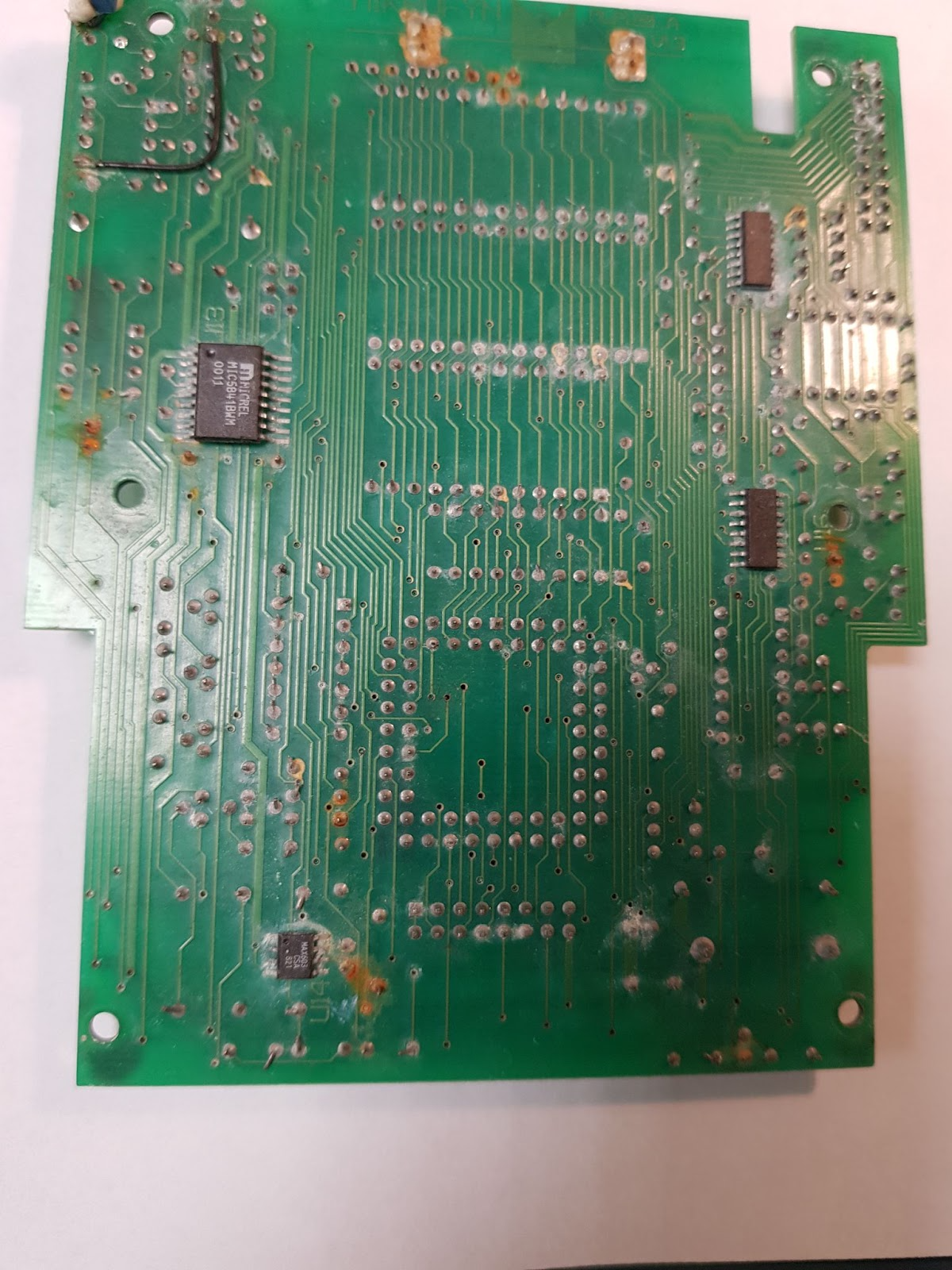
  • Moist instruments should be wiped dry before being put away. Damage caused by condensation is one of the biggest problems we encounter in our service department. A wet or damp instrument should never be stored in this condition. See the below picture for damage to the main PCB board due to the device being stored while still wet.

Cleaning 

  • lf the instrument is equipped with any kind of optical glass on the outside, these windows must be treated with care. When cleaning the glass, remember to always rinse it first with clean water and then dry it with a soft, clean cloth. Never use anything abrasive to clean the glass. If the glass surface gets scratched, the scratches may distort the laser beam and lead to incorrect readings.
  • Never clean with pressurized air, since dust particles in the air can lead to a "sand blasting" effect
  • lt is essential to keep plugs and clamps for electrical connections dry and clean as well.


Batteries and charging

  • Aways use a fully charged battery or power adapter. Charge the battery when the laser is not in use. If you notice that the battery is overheating during the charging process, you unplug it. Give it time to cool (20 minutes or so should be enough) and then plug it back in. Non-rechargeable batteries should be disposed of immediately after they deteriorate.
  • You should never carry a laser instrument by its cable, and a laser instrument should never be connected to a car battery that is still connected to a car.
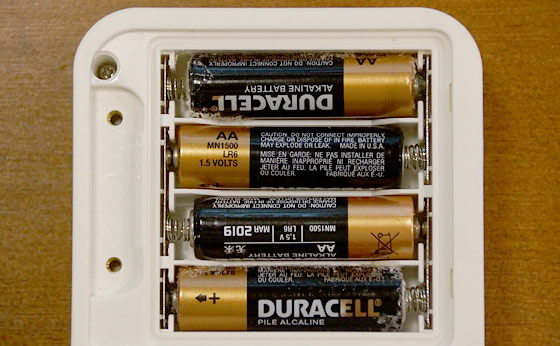
  • When your instrument is not in use we recommend that you store it with the batteries removed from the instrument and accessories e.g. detector and remote control. If the batteries leak when the instrument is not in use for a prolonged amount of time they can cause a lot of unnecessary damage


Final thoughts

By following these few easy steps you can ensure longevity and accuracy of your instrument. Proper maintenance along with regular calibration will help you keep your instrument in good working condition. Take care when handling your laser and don’t skip yearly maintenance, so you can avoid any problems when tackling projects that require precision.

---

Need your laser calibrated? Get in touch with our Service Shop today!

Repair or Replace: When to Fix Your Surveying Equipment & When to Upgrade

Construction and surveying instruments are often exposed to very harsh conditions. Even though they are made from rugged materials and manufactured to specific standards, they can still be damaged by elements, dropped accidentally or even get run over by a truck or excavator. They can also stop working due to some mechanical or electrical issue that occurs with age, or even missed software updates.

Replacing instruments like rotary lasers or surveying GNSS rovers can be expensive, so it’s always worth looking into repair options first. In most cases experienced technicians can get your equipment repaired and back to you with minimal downtime and at a significantly lower cost.

There are a few instances though, when repair is not a viable option. Each instrument coming to the Hitechniques Service Shop is inspected thoroughly, so our technicians can make a list of repairs needed and parts that will have to be replaced. When examining an instrument, they take into consideration three main factors that need to be thought-through, before deciding whether to go ahead with the repair: cost, effectiveness of the repair and the age of the equipment.


Cost

It’s our policy to send repair estimates to each customer before we start working on their equipment, to check if they are ok with the price. Generally we leave the final decision to the customer and proceed with the repair if that’s what they want to do. In some cases, though, the equipment is beyond economical repair and we recommend replacing it instead. This happens if the predicted cost exceeds 75% of the value of a new instrument.

One of our customers has five electronic theodolites they purchased from us. Unfortunately a few days ago one of the theodolite fell down while working and got damaged. The vertical disc of the instrument was completely broken, the chassis was badly jammed, and the vertical angle was no longer visible on the screen. The vertical drive was also not working and the tribrach was bent.


With that much damage the cost of repairs would have been significant and exceeding the 75% of a new instrument’s value. Our technician suggested purchasing a new instrument and offered the customer a discount, if they were to buy from our store. The customer agreed to this offer and purchased a new device from us.


Effectiveness

Surveying and measuring instruments are complex machines built to deliver specific results. They are used by professionals relying on their accuracy and have to perform perfectly. Serious damage to the internal mechanism or electronic components can compromise the instrument’s ability to take accurate measurements.

While most parts can be fixed or replaced, sometimes it’s not possible to assure the same level of efficacy. In such cases it’s best to replace the instrument to avoid costly mistakes.


Age of the instrument

Not every professional needs the latest technology and some hold on to their trusty GNSS receivers or laser levels for many years. There’s nothing wrong with that and it’s great to see so many instruments performing outstandingly for long periods of time. Unfortunately, when such instruments are in need of repair, it can be difficult to find replacement for damaged or worn out parts.


Some final thoughts

When it comes to surveying and measuring instruments, the environmentally friendly “repair instead of replace” approach isn’t always a viable option. Technology becomes obsolete quicker, making repairs harder and more expensive because of complexity of work and poor availability of parts. It also puts more pressure on users to upgrade their equipment in order to stay ahead of the competition. Each case needs to be assessed individually before a decision is made, to assure it makes sense financially and is the best course of action for you and your business.

Winter Surveying: Tips for Protecting Your Equipment in Cold Weather

Regardless of the season, surveyors always have projects to complete. While warmer months are usually the busiest with construction projects in full swing, the work doesn’t always stop when the weather changes. It simply shifts more to topographic and land title surveys in the winter.

Weather always impacts your work, if you’re working outside and it’s especially true when it turns for the worse in the autumn and winter. Heavy rain or snow can impact visual capabilities and make it difficult for surveyors to make measurements. In most cases, though, you can continue working as long as you make sure to take proper care of your equipment.

We already covered basic surveying equipment maintenance in one of our previous articles. The rules outlined there apply all year long, and following them is a great way to keep your survey instrument in perfect working condition for years to come .There are some additional steps to follow in the winter, though. See below our tips on how to care for survey equipment in the winter.


Know your instrument’s recommended operating temperatures

User manual or product brochure from your equipment’s manufacturer should always clearly state the recommended temperature rating for your GNSS receiver or total station. Make sure you know these numbers and always check expected weather conditions before planning your work for the day. While weather forecasts are not 100% accurate and nature can be unpredictable, in most cases you can easily estimate the average temperature for the area you’ll be working in. If your instrument is not rated for those conditions, do not take your chances. Not only will you be risking serious damage to your equipment but also costly issues caused by inaccurate data.


Always secure your freestanding equipment properly

Winter often brings storms and strong winds that can knock over and damage your equipment. Always make sure that you use the right accessories and secure everything properly. Keep in mind the type of the terrain you are surveying as well, and take extra care when working on an uneven, slippery surface. When in doubt, tie the equipment down or use a tripod star. You can even drill it down into the ground if necessary (we have a short video showing how to do it here).


Keep your batteries charged and remember to bring spares

Cold temperatures can affect the batteries and significantly cut the usual operating time of your surveying instrument. If you’re planning for a long day out in the field, make sure all your batteries are fully charged and bring spare ones if you can. Keep the backup ones out of the cold if possible to avoid any issues.


Avoid water damage

While most surveying instruments can withstand some rain or snow, they are not completely waterproof. Keep that in mind when using your GPS rover or total station out in the field but also when you’re done for the day and it’s time to pack up. Always remember to wipe your surveying instrument and all accessories clean and dry them off properly before storing. Make sure the storage case is clean and dry, too.

Don’t skip these steps even if it isn't raining. The temperature change after you bring the equipment in from the cold will cause water condensation which can result in some serious damage. To be on the safe side, take everything out of the case once you’re back home or in the office and leave it at room temperature for a few hours. Keep the case open as well and let it dry completely before putting everything back in.


Last but not least

With business slowing down in the colder months and around holiday season winter is the perfect time to schedule an annual service and calibration for your instrument. Let professionals run all the checks and install any necessary firmware updates for you.

---

Want your instrument serviced and calibrated to make sure it performs perfectly in any conditions? Contact us today and let our technicians run necessary checks and updates for you. 

Assisted Alignment in 3D Capture

Capturing large, featureless spaces with a Pro2 3D camera can sometimes cause problems. Some issues that users report include error messages indicating that the camera simply cannot complete the scan. The most difficult areas are large expanses of building without features, or with recurring features. The Pro2 has nothing to reference, and the process of scanning can become fought.

Matterport users encounter problems in spaces like long featureless corridors, where the scans move off centre. Mislocated scans find the Pro2 putting the scan where it does not belong. For example, in buildings with multiple similar floors the scan may migrate to the apparently correct location, but on the wrong floor!


How to avoid misalignment when scanning large spaces?

There are a few tactics you can use to avoid issues when scanning large, empty spaces.

First thing to consider is preparing the space beforehand, strategically placing plants, fire-extinguishers, chairs, litter bins and other items around the space.

Doing a matrix of scans within six feet or so of each other can also stabilise matters and allow the scanning to proceed without drama.

The most efficient way, though, is to use the Assisted Alignment feature in the Matterport Capture App. This setting, when used in conjunction with special targets called April Tags, gives the Pro 2 reference points, so it can scan at greater distances.


What is Assisted Alignment?

Assisted Alignment is a feature that makes it easier to scan places with empty or repetitive architecture and is particularly useful for Architectural Engineering and Construction (AEC) practitioners.

It works very well in large, open, empty spaces such as factories, commercial real estate, schools, hotels, shopping and conference centres. Also, long uniform hallways, evenly spaced columns, and other repeating architecture.


How does the Assisted Alignment work?

The lack of 3D data or the fact that a new scan was too much like a previous scan can often lead to misalignments and alignment errors. Assisted Alignment uses April Tags which are A4 targets placed at key locations on the site at eye-level. The Capture app uses these targets to place the scan in roughly the correct location and then uses depth information to fine-tune the alignment.

Assisted Alignment does not eliminate the possibility of misalignments, so it's still very important to check that each scan appears in the correct spot at the time of scanning.

You need to consider that the targets can’t be removed from the final model, so this method is not ideal where the model is to be used in marketing. You can use the blur function to obscure the targets in the processed model. If your goal is to make the space available publicly for marketing purposes, then you may consider using plants, small bits of furniture, etc. 


Step-by-step Guide to using Assisted Alignment in the Matterport Capture App

Instruction on preparing for scanning and using the Assisted Alignment feature.

Illustrations courtesy of Bennett Construction are from the capture of a Penneys (Primark) 5,500 sq m retail space during refurbishment.

  1. Before scanning, estimate the number of target-sets you need. This will depend on the size of the space you’re scanning and its characteristics. Tags may be placed at 30ft/9m intervals. If you have floor plans you can estimate the final number of targets otherwise you may need to carry out a site visit in advance of the capture.
  2. You can get 4 sets of April Tags (Targets) from our Downloads page.
  3. There are 50 targets in each set, numbered 1-50, 51-100, 101-150, and 151-200.
  4. Each target can only be used once in any model, so print out enough sets to cover each complete project.
  5. These targets are based on April Tags from the APRIL Lab at the University of Michigan. Targets from other systems or companies will not work with Matterport.
  6. Print out the targets on A4 paper. Disable ‘Fit to Page’ setting.
  7. Allow for some more than you estimate you need.
  8. Tape the targets at key locations on the site at eye-level, spaced about 30 feet / 9 meters apart. Tape all four corners so there is no possibility of movement.
  • If required targets can be taped to the floor, but vertical is better.
  • If there are pillars, place the targets so that they are on the surface parallel with the direction of travel between scans.
  • These targets should then be visible in the next line of scanning.
  • Targets can be placed and scanned in any order.
  • You cannot reuse or move targets once they are placed, and may have been recorded in a scan.
  1. Turn on Assisted Alignment in the Capture App.
  2. Select the "More" button at the top-left of the screen.
  3. Choose "Settings & Privacy".
  4. Switch "Assisted Alignment" on.
  5. Scan about 15 feet / 4.5 meters from the nearest targets.
  6. Ensure you have a direct line-of-sight to the previous scan and marker.
  7. Scan in an organised manner, using a grid pattern where possible.
  8. Consider scanning inside the perimeter of large open spaces to begin with as this should result in a strong frame.
  9. If you are scanning at 30ft/9m intervals add an additional scan between the end scans in every row.
  10. In long corridors, watch out for possible misalignment as you scan, and add additional off-centre scans where there are distinctive features like recesses, stairwells etc.


What do you need to remember?

Using Assisted Alignment reduces the number of scans required and the time taken to complete the capture of buildings that are featureless or have repeating architectural features. It will add two to three seconds to your scan times, though.

Using targets combined with a methodological approach should mean the accuracy of the model is not compromised, rather it is enhanced.

Targets must not be recycled within any one model, but they can be reused on a new, separate model.

The targets will appear in the final model as they cannot be ‘Photoshopped’, although they can be blurred.


Final Outcome

Overall the number of scans may be reduced by up to 60% and the time taken to scan, including placing the targets, may be reduced by 50% or more once you get more familiar with the process.

How to Maintain Your Surveying Equipment: Essential Tips

Surveying equipment is often exposed to extreme conditions—dusty construction sites, sudden temperature changes, and bumpy transportation. Without proper care, this exposure can lead to downtime, costly repairs, or even premature replacement. By following the right maintenance tips, you can ensure that your instruments remain in service for years to come with minimal downtime. Here’s how to take better care of your surveying equipment.


Keep Your Instrument Clean and Dry

While your instruments are robust and built to withstand various conditions, they aren’t invincible. Dust, moisture, and dirt can still damage internal and external components. Regular cleaning, especially after each use, can significantly extend the lifespan of your surveying tools.

  • The Importance of Clean Optics: Optical instruments such as total stations and theodolites are highly sensitive to dust and dirt. Clean the lenses using a soft, microfiber cloth made specifically for optical surfaces. Before wiping the lens, make sure there are no hard dust particles that could scratch the surface. Never attempt to open or clean internal components, as this could affect calibration and performance. If you are unsure, always consult a professional technician.
  • Keep Moisture at Bay: Even though many instruments are designed to be weather-resistant, they are not waterproof. Always use rain covers when working in rainy conditions and ensure that all components are wiped dry before storage. Moisture condensation inside the instrument can be just as harmful as direct water exposure, particularly to electronic parts like battery compartments. After working in wet environments, let the equipment air dry completely before storing it in a case.

To prevent moisture buildup, consider storing silica gel packets in your equipment case. These can help absorb any residual dampness that could harm sensitive components.


Proper Storage and Transportation

Improper storage and rough transportation are common causes of damage to surveying instruments. Just because a manufacturer claims that a tool can survive a drop doesn’t mean you should test its limits. Proper storage and handling are key to maintaining the equipment’s precision and functionality.

  • Always Use a Protective Case: The storage case provided with your surveying instrument is designed to protect it from bumps, knocks, and dust. Ensure that the foam padding inside the case is in good condition and securely holds the instrument in place. Over time, this padding can become compressed or damaged, reducing its protective ability. Replace the foam padding if it shows signs of wear.
  • Transporting Your Equipment: When moving your equipment from site to site, it’s crucial to secure it properly in your vehicle. Ensure that cases are fastened and unable to move around during transit. This minimises the risk of the instrument being jolted or impacted by other objects in the vehicle. Even a slight knock can lead to calibration issues, which could affect your measurements in the field. Avoid placing heavy items on top of your equipment cases during transportation, as this could cause structural damage to the case or the instrument inside.
  • Storage in Extreme Conditions: Be mindful of where you store your equipment. High temperatures, direct sunlight, or freezing conditions can all damage sensitive components. Avoid leaving your instruments in vehicles on hot days, as this can cause the internal electronics to overheat.

Regularly inspect your storage cases for cracks or other damage. A damaged case can fail to provide adequate protection and may lead to costly repairs or equipment replacement.


Warning Signs to Watch For

Surveying instruments are highly precise tools, and even small deviations in their performance can lead to inaccurate data. It’s important to monitor your equipment for signs of wear and tear that may indicate the need for maintenance or repair.

  • Loose or Tight Parts: Over time, components such as hinges, battery compartment covers, or adjustment knobs may become loose or stiff. If anything feels out of the ordinary, it’s worth inspecting the instrument more closely. While tightening a screw is a simple fix, more complex repairs should be handled by a professional technician. Attempting to fix sensitive instruments in the field can lead to further damage.
  • Measurement Inconsistencies: If your instrument starts giving inconsistent results, this is a red flag that something is wrong. In many cases, calibration drift is the culprit. If you notice discrepancies in your measurements, it's best to bring the instrument in for calibration immediately. Ignoring this could lead to costly project delays or even rework.


Regular Calibration and Servicing

Regular calibration is essential to ensure that your equipment continues to deliver accurate measurements. Even with proper handling, surveying instruments can experience a natural drift in calibration due to environmental factors, normal wear and tear, or accidental bumps.

  • Annual Professional Calibration: To avoid errors in the field, your surveying instruments should be serviced and calibrated by a professional at least once a year. During calibration, a technician will adjust the instrument’s settings to ensure it aligns with the manufacturer’s specifications. This routine check-up can prevent serious issues from developing and help extend the life of your equipment.
  • Calibration After Major Events: If your equipment has been dropped, exposed to extreme weather, or shows signs of inconsistent performance, it’s best to have it recalibrated. Even slight misalignments can lead to errors in data collection, which may compromise the accuracy of your work.

Always choose an authorised service centre to perform these tasks, as they will have the expertise and equipment necessary to properly calibrate your surveying instruments.

Specific Maintenance Tips for Different Equipment Types

Different types of surveying instruments require tailored care routines. Here’s a quick breakdown of specific tips for common equipment types:

  • Total Stations and Theodolites: These instruments are highly sensitive to alignment issues. Make sure to store them securely in a well-padded case. Avoid handling the instrument roughly, and always ensure that all moving parts are properly tightened before use.
  • GNSS Receivers: These receivers rely heavily on their electronic components, making them vulnerable to moisture and temperature extremes. Store GNSS receivers in cool, dry environments, and remove the batteries when not in use to prevent corrosion.
  • Laser Levels: Laser levels are particularly sensitive to vibration. When transporting them, ensure they are secured in a shock-proof case to avoid misalignment.

Record Keeping and Operator Training

An often-overlooked aspect of equipment maintenance is keeping detailed records of each instrument’s service history. A well-maintained log can help track when calibration or repairs were last performed and highlight any recurring issues that may indicate a need for replacement.

  • Train Your Team: Ensure that all field personnel who handle surveying equipment are trained in proper care and maintenance practices. Incorrect handling is one of the primary causes of equipment damage. Conduct regular refresher courses to reinforce best practices and reduce the risk of accidental damage.
  • Log All Maintenance: Keep a detailed maintenance log for each piece of equipment. Record when it was last cleaned, inspected, or calibrated. This will help you stay on top of maintenance schedules and identify any patterns of wear that may indicate the need for more frequent servicing.

Conclusion: Surveying Equipment Maintenance

Surveying equipment represents a significant investment, and proper maintenance is crucial to protecting that investment. By following these simple tips—regular cleaning, careful storage, looking out for warning signs, and scheduling professional service and calibration—you can extend the life of your equipment, minimise downtime, and ensure reliable performance.

Hitechniques is an authorized service center of Cable Detection, GeoMax, Laserliner and Mikrofyn. We calibrate and repair other manufacturer’s equipment as well. To get in touch call us at 01 257 2323 or email us.

Further Reading

To expand your knowledge on surveying equipment maintenance and related topics, check out the following resources:

  • Comprehensive Guide to Land Surveying Techniques: Learn more about the best practices for land surveying, from equipment selection to mapping techniques. Read more at Datumate.